Projects
Morphogen control of chromosomal mosaicism

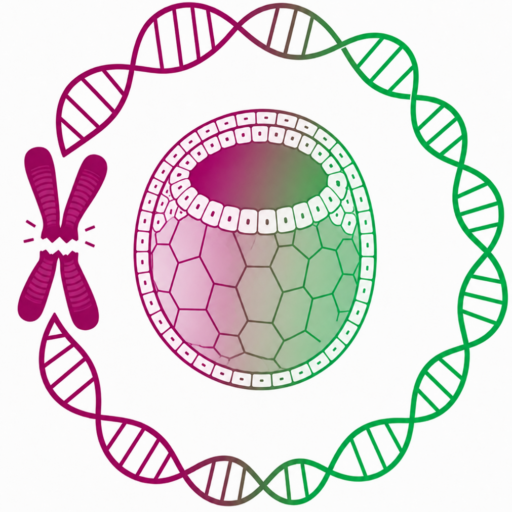
How genome integrity is monitored across generations of different cellular lineages, and why the rate and distribution of genomic mosaicism vary through development, remain open questions. We have identified that embryonic patterning signals –including Wnt, BMP, FGF or Nodal–sit at the helm regulating genome and chromosomal stability during pluripotency anddifferentiation. We aim to unveil the roles of these signals as drivers of genomic and chromosomal mosaicism in early mammalian embryos, particularly during anterior-posterior axis establishment.
Related publications: De Jaime-Soguero et al. 2024; Van den Berg et al. 2024. De Jaime-Soguero et al. 2026
Prevention of chromosomal instability during long-term hPSC culture
Human pluripotent stem cells can differentiate in all our body cell types and hold enormous potential for regenerative medicine and cell therapy fields. However, the accumulation of chromosomal abnormalities by clonal selection over long term culture prevent their safe application. In our lab we study strategies to overcome this problem, and we have found that inhibition of GSK3 at low doses prevent replicative stress, DNA damage and aneuploidy, withholding the undifferentiated capacity of hPSCs. We explore molecular targets alleviating genomic instability in these cells.
Related publications: De Jaime-Soguero et al. bioRxiv2025

Proteostasis as a driver of developmental robustness
Protein homeostasis (proteostasis) encompass the correct synthesis, folding and degradation of proteins. These events are particularly sensitive to environmental factors (e.g.,oxidative stress, hypoxia, elevated temperatures), and misregulationaffectsparticularlyearly embryonic stages across vertebrate species. We have recently uncovered that protein misfolding caused by endoplasmic reticulum (ER) stress or oxidative stress drives chromosomal instability in specific human early lineages. In our lab, we combine state-of-the-art transcriptomics and proteomics with specific ER/oxidative stress sensors (XBP1s-GFP, Hyper-7, respectively) and in vitro/in vivo models of early development to map: i) lineage specific proteostatic needs, ii) chaperone/ stress responses across developmental cell types and its links to mosaicism, iv) pro-proteostatic conditions that could ameliorate developmental competence during embryo ex vivo culture (e.g. antioxidants, chaperone stabilizers, etc).

Stress regulation through signaling: novel players at stake

Intracellular mechanisms driving cellular stress have been widely characterized. We aim to link stress regulation of embryonic signaling cascades to better understand the molecular players controlling early embryonic events, including pluripotency maintenance, differentiation, axial patterning or self-organization. Our group has longstanding expertise dissecting the epistasis of signaling cascades (particularly Wnt signaling) in the developmental context. With specific transcriptional reporters, we will screen the bidirectional link of these crucial embryonic cascades with diverse sources of cellular stress. We aim to uncover new players that could condition embryonic functions through stress perturbations.
Novel developmental stem cell-based models

The ability of pluripotent stem cells to differentiate towards specific fates and self-organize under the correct cues and recapitulate mammalian development is remarkable. Over the last decade, multiple stem cell-based models have flourished and early extraembryonic cell types frequently overseen in the past are now starting to be explored. In tight collaboration with our neighbor group headed by Isabelle Migeotte –a leading expert on extraembryonic envelope biology in the mouse embryo–, we aim to establish novel mouse and human models of extraembryonic development using pluripotent stem cells.
Collaborations
Prof. Isabelle Migeotte – IRIBHM-ULB
Prof. Andrei Chabes –Umeå University
Dr. Vladimir Venes – EMBL Gene Core, Heidelberg
Prof. Alexander v. Oudenaarden & Dr. Jeroen v. den Berg – Hubrecht Institute
Prof. Alfonso Martinez-Arias – Universidad Pompeu Fabra (UPF)
Dr. Joshua Frenster – Freiburg University
Prof. Tomomi Tsubouchi – NIBB/Shizuoka University
Dr. Mariko Sasaki – National Institute of Genetics (NIG)
Dr. Tomas Aragon-Amonarriz – Biobizkaia
Dr. Brandan Pedre – KU Leuven
Prof. Mirian Romitti –IRIBHM-ULB
Prof. Maxime Tarabichi –IRIBHM-ULB
Funding
