Research

Our goal is to understand how early embryonic cell types integrate, respond and mitigate microenvironmental perturbations, and how this shapes genome integrity and developmental robustness.
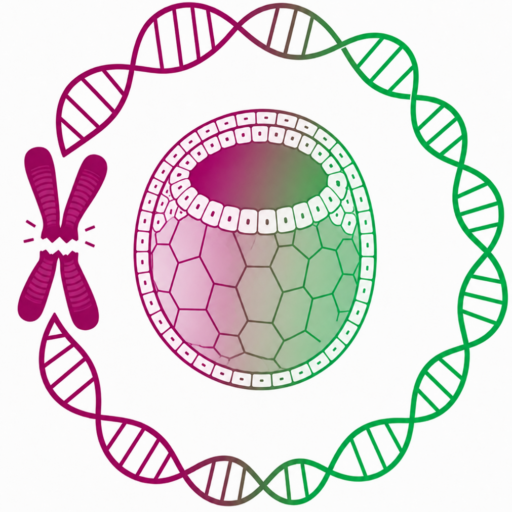
Embryonic fitness is continuously challenged by metabolic, proteostatic, and genomic perturbations. Although the mechanisms that confer stress resilience during development have been extensively investigated in diverse model organisms, they remain poorly understood in mammals, particularly in humans, where reproduction is remarkably inefficient and nearly two-thirds of embryos fail to progress beyond the earliest weeks of development. Genomic imbalance (aneuploidy), in all or some (mosaicism) of the embryonic cells, can cause implantation or growth failure. In the Developmental Resilience lab, we study intrinsic and extrinsic stress factors driving chromosomal mosaicism and genomic instability, and how affected embryonic and extraembryonic lineages adapt, survive, or fail.
To address these questions, we combine cutting-edge live cell imaging, stress biosensors, (single-cell) omic approaches (scG&T-seq, RNA-seq, scEdU-seq), and genome editing techniques (dTAG13 degron, CRISPR-Cas9) with detailed molecular analysis of 2D and 3D stem cell-based in vitro models recapitulating early mouse and human embryogenesis and cell lineage maturation –including gastruloids, EiTiX embryoids or blastoids–, and ex vivo analysis/perturbation of mouse pre- and early post-implantation embryos.
You can learn more about our research institute in Brussels –IRIBHM J.E. Dumont– here. We are continuously searching for motivated students and researchers wishing to work with us. You can check how to apply here.
